

 CANADA
 INDONESIA
 NEW ZEALAND
 SAUDI ARABIA
 SINGAPORE
 SOUTH AFRICA
 UNITED ARAB EMIRATES
 UNITED KINGDOM
 UNITED STATES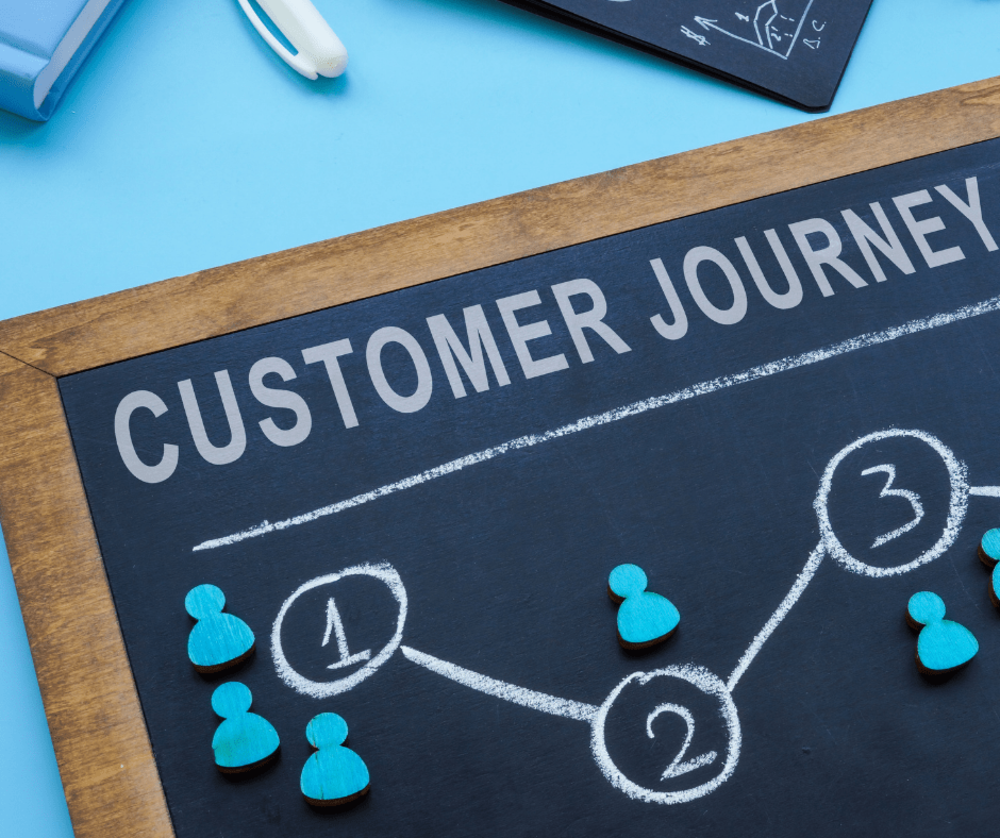
Picture this: a local furniture store in Sydney has perfected its welcoming showroom, trained personable staff, and offers fair prices. But when a potential customer searches online, they never see the store’s website as an option. Why? Because new digital agents, not just human users, are now making buying decisions. These AI agents , from generative search to shopping assistants in smart devices , scan, compare, and act on information for their human owners. If your online presence only speaks to one audience, you could be losing relevance on both fronts, missing out on new streams of customers who may never see your brand directly.
By 2026, the customer journey has evolved beyond linear clicks and conversations. AI agents process thousands of data points in seconds, weigh structured reviews, extract product attributes, and deliver recommendations before a user even interacts. At the same time, people still crave a sense of connection, trust, and clarity when making purchase decisions. To thrive, local businesses and franchise owners across Australia need to bridge the worlds of human engagement and algorithmic selection. This transformation is already underway, presenting an opportunity to reimagine your digital marketing strategies for both human customers and AI agents. Understanding the rules, motivations, and expectations of both audiences can set your business apart and secure long-term growth.
Understanding the Roles of Humans and AI Agents in Customer Journeys
In the traditional model, customer journey design focused exclusively on human touchpoints: what users see, how they feel, and the calls to action that move them forward. Now, AI agents act as proactive decision-makers, processing vast datasets to suggest products, services, or even initiate purchases on behalf of their users.
This shift does not mean trading one audience for another. Instead, customer journey design for humans and AI involves recognising the nuanced decision logic of both. Human users value storytelling, visual appeal, and authentic experiences. AI agents, on the other hand, evaluate signals like structured data, clear business attributes, and authority benchmarks such as reviews, certifications, and trust signals.
By mapping out both the human and agent journeys, local business owners can identify where alignment exists and where gaps become obvious. Consider, for example, that when someone searches for “best shoes for running in Brisbane,” their AI assistant may prioritise businesses that surface accurate product details, availability, price points, and up-to-date opening hours in formats it understands. If this information is missing or unstructured, even the most engaging website may be ignored by smart algorithms.
Auditing Your Website for Both People and AI Agents
An effective website audit in 2026 is no longer just about beautiful design or SEO for human reading habits. It also assesses interpretability for AI agents scanning your website with mechanical precision. Begin by checking that your site is simple to read and comprehend for a real person , clear headings, concise content, and intuitive navigation still matter.
Next, assess your structured data. Structured data for marketing, including schema markup for local businesses, products, reviews, and FAQs, serves as a direct signal to AI-powered platforms. It tells agents what you sell, where you are, your pricing, delivery policies, and when your business operates. Audit website for AI agents by reviewing your pages in tools like Google’s Rich Results Test, ensuring schema completeness and accuracy.
Identify where data gaps occur. Missing location signals, inconsistent business hours, or outdated product inventory can all result in your listing being skipped by an AI agent or voice assistant. Ensuring accuracy across all digital touchpoints is fundamental to optimising websites for AI and humans simultaneously.
Mapping and Advancing Customer Journeys for Human and Artificial Intelligence
Seeing your customer journey as a single flow misses the increasing interplay between human behaviour and AI intervention. To integrate AI in customer journey mapping, begin by outlining how a human user might search, compare, and choose your service , perhaps through search engines, reading reviews, calling your store, then making a purchase. Now, redraw the same journey through the lens of an AI agent: What data does it access? How does it make decisions? Which attributes does it prioritise?
Overlaying these journeys helps expose friction points and opportunities. For example, if your conversational content is rich but key business attributes are not included in machine-friendly formats, people may find you, but you might lose favour with search or shopping agents. Conversely, if you over-optimise for technical specifications but neglect call-to-actions, social proof, or emotional resonance, human users may bounce without converting.
Modern digital marketing services for AI encourage businesses to view both humans and AI agents as critical audiences. Training your teams to see agents not as mere technical layers but as active participants in the marketing funnel establishes a new mindset for long-term success. Develop internal checklists to ensure product details, availability, delivery rules, price thresholds, and authority signals are both engaging and structured.
Closing Data Gaps and Structuring Essential Business Information
One of the biggest hurdles in effective marketing strategies for AI agents is the lack of high-quality, complete, and structured business data. AI agents favour what is accurate and easy to process. Close data gaps by identifying all the attributes that matter to both humans and agents, such as contact information, pricing, reviews, business hours, delivery areas, and in-stock status.
Ensure all critical value propositions are presented within your site’s visible content and encoded in structured formats. Delivery rules, price thresholds, and promotion dates should be findable both to a website visitor and a data parsing bot. Authority signals like third-party reviews, trust badges, local certifications, and industry awards add an extra boost in credibility for both audiences.
If you want to stay ahead in the fast-changing digital landscape, experiment with conversational search optimisation. Use chatbots, virtual agents, or Google’s conversational search features to simulate how AI interprets and presents your business. It provides a hands-on way to identify gaps and see where your digital presence stands out or falls short.
Adopting AI-Friendly Marketing Journeys for Sustainable Growth
Successfully integrating these strategies means not only surviving but thriving in a future where buying decisions are increasingly shared between humans and their AI assistants. Optimising websites for AI and humans requires ongoing vigilance: reviewing structured data, updating offers, monitoring search behaviour, and regularly refining your digital assets.
Forward-thinking brands in major Australian cities are already partnering with local AI marketing consultancies to stay competitive. These partnerships ensure platforms like Google, Apple, Bing, and voice assistants recognise and recommend your business, ultimately driving more local leads and sales.
Investing in a customer journey designed for both humans and artificial intelligence can position your brand as a trusted, visible, and chosen option in a crowded online space. It is not just about meeting today’s expectations, but being ready for tomorrow’s search behaviours , whatever device or agent your customer prefers.
Conclusion
The digital marketing landscape in Australia is quickly changing as both humans and AI agents shape which businesses succeed online. Relying solely on traditional methods means losing ground to competitors who optimise for the agents that now filter and recommend buying options. Yet, a strategy that only caters to algorithms feels impersonal and weakens the trust and connection human customers crave.
To gain a sustainable advantage, prioritise a balanced approach to customer journey design for humans and AI. Audit your website for readability and interpretability, structure essential information, and close any data gaps. Encourage teams to view both human and agent journeys as priorities with equal weight. Test new technologies like conversational search to find how agents evaluate your online presence in real time.
Adapting your digital marketing strategies for AI agents and people will ensure your business stays connected, relevant, and chosen in a competitive market. If you’re ready to see where your customer journey stands or want expert help integrating AI-friendly marketing journeys, Top4 Technology specialises in digital marketing services for AI and human audiences. Learn more about how we can help your business grow and remain future-ready in Australia’s rapidly evolving online ecosystem.
FREQUENTLY ASKED QUESTIONS

Michael Doyle
Michael is a digital marketing powerhouse and the brain behind Top4 Marketing and top4.online. His know-how and over 23 years of experience make him a go-to resource for anyone looking to crush it in the digital space. To get the inside scoop on the latest and greatest in digital marketing, be sure to read his blog posts and follow him on LinkedIn.