

 CANADA
 INDONESIA
 NEW ZEALAND
 SAUDI ARABIA
 SINGAPORE
 SOUTH AFRICA
 UNITED ARAB EMIRATES
 UNITED KINGDOM
 UNITED STATES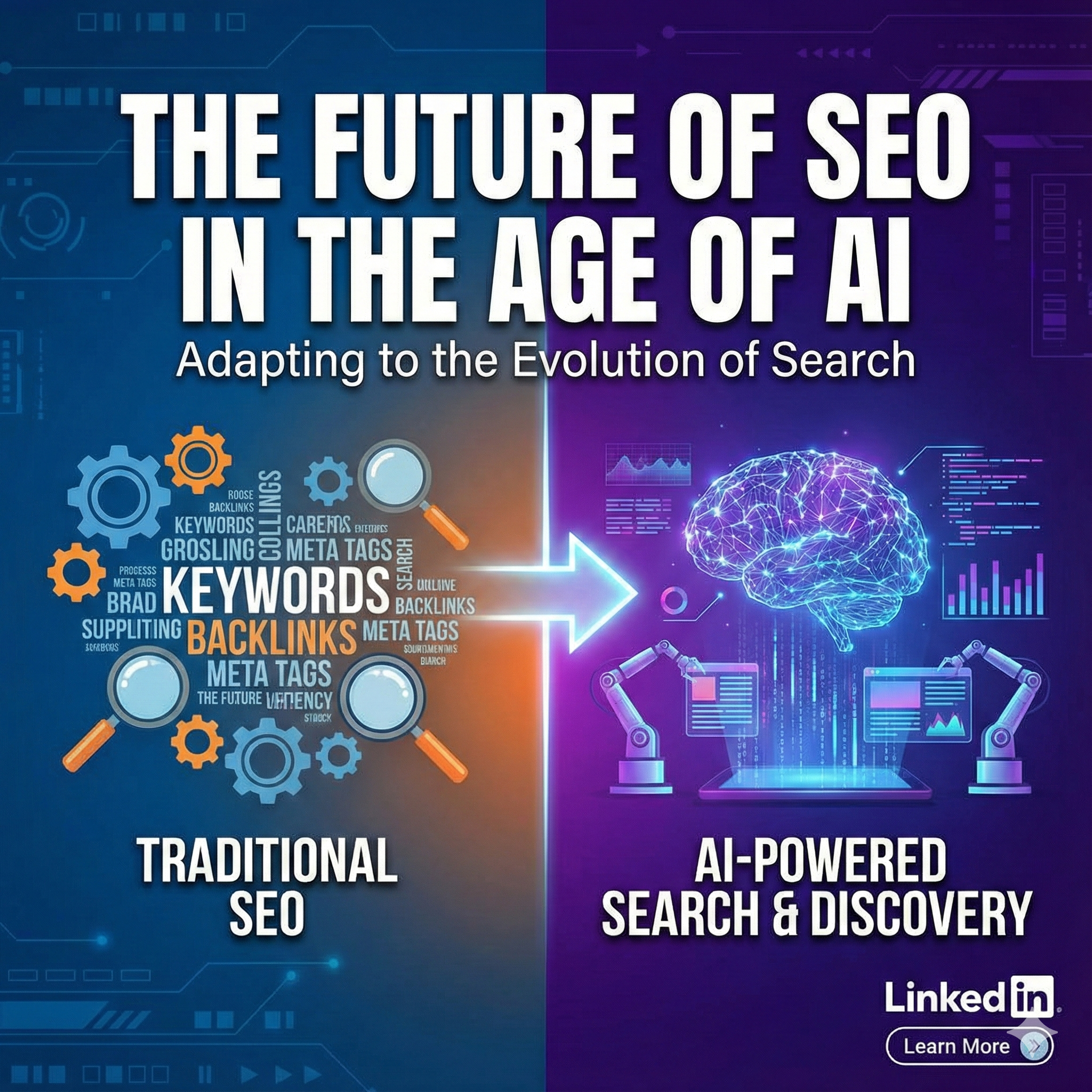
Artificial intelligence (AI) is no longer just a buzzword—it’s fundamentally changing the SEO landscape. With advancements in AI and large language models (LLMs), SEO is moving away from traditional methods focused solely on keywords and traffic. Here’s what you need to know about how AI is affecting SEO and how you should adapt your strategy.
Understanding AI’s Impact on SEO
AI technologies, including generative AI and machine learning, have made significant strides in recent years. AI’s role in SEO isn’t just about automating tasks but reshaping how content is ranked, displayed, and consumed on search engines. Understanding the real impact of AI on SEO requires knowing what AI actually does:
- Generative AI can create content, summarize information, and even answer questions directly in search results.
- Machine learning helps search engines understand context and intent, improving the accuracy of results.
While the concepts of AI and machine learning can be complex, their effects on SEO are clear. The old way of ranking for keywords is shifting, and SEO now requires a deeper understanding of how AI systems interpret and serve content.
The Rise of “Zero-Click” Search Results
One of the most notable changes AI brings to SEO is the rise of “zero-click” search results. AI-powered systems like Google’s AI Overviews or ChatGPT can answer user queries directly on the search engine results page (SERP) without the user needing to click through to any website. This is a game-changer for SEO, as it reduces organic traffic for many queries.
For SEO professionals, this means the focus is shifting from simply driving clicks to improving visibility and authority. It’s not enough to rank well for keywords anymore—your content must be presented in a way that AI systems can pull and synthesize to answer questions.
New SEO Priorities: Authority and Topical Depth
As AI increasingly becomes the source of answers, SEO strategies need to shift from traditional ranking tactics to a focus on authority and topical depth. AI systems like Google’s BERT and RankBrain prioritize content that demonstrates deep expertise and relevance to specific topics. This means content must not only be keyword-focused but must provide comprehensive, high-quality information that AI can reference.
SEO professionals should focus on creating content clusters around specific topics, ensuring that content covers various aspects in depth and is organized in a way that AI systems can easily analyze. Think less about keyword stuffing and more about producing content that answers a user’s query in a holistic and authoritative way.
Generative AI and Content Creation
Generative AI tools like GPT-4 are making content creation faster and easier. However, as more people adopt AI for content generation, the web is becoming flooded with similar, automated content. To stand out, content quality and differentiation are becoming more important than ever.
AI-generated content can be useful, but it’s crucial to ensure that it is unique, well-researched, and adds value that other automated content doesn’t offer. The focus should be on creating content that AI systems can trust and present as relevant, while still offering something distinctive for the audience.
Personalization and Intent-Based Search Results
AI is also driving personalization in search results. With advanced machine learning algorithms, search engines can better understand a user’s intent based on their search history, location, and preferences. This means that the same query may yield different results for different users.
For SEO professionals, this means a heightened focus on understanding search intent. Creating content that speaks to different user intents—whether informational, transactional, or navigational—will be key to ranking well in personalized search results.
Adapting SEO Strategies in the Age of AI
In an AI-driven world, SEO strategies need to evolve. Here are some best practices for adapting your SEO approach:
- Focus on Quality Over Quantity: With AI generating content at scale, the focus should be on producing high-quality, authoritative content that stands out.
- Prioritize User Intent: Align your content with the search intent behind the queries, ensuring that it answers the user’s question comprehensively.
- Optimize for AI Interpretation: Structure your content in a way that AI systems can easily analyze, ensuring that it is clear, comprehensive, and well-organized.
Diversify Your Strategy: Don’t rely solely on traditional keyword ranking. Incorporate semantic SEO and structured data to help AI systems understand and pull relevant information from your content.

Michael Doyle
Michael is a digital marketing powerhouse and the brain behind Top4 Marketing and top4.online. His know-how and over 23 years of experience make him a go-to resource for anyone looking to crush it in the digital space. To get the inside scoop on the latest and greatest in digital marketing, be sure to read his blog posts and follow him on LinkedIn.