
 CANADA
 INDONESIA
 NEW ZEALAND
 SAUDI ARABIA
 SINGAPORE
 SOUTH AFRICA
 UNITED ARAB EMIRATES
 UNITED KINGDOM
 UNITED STATES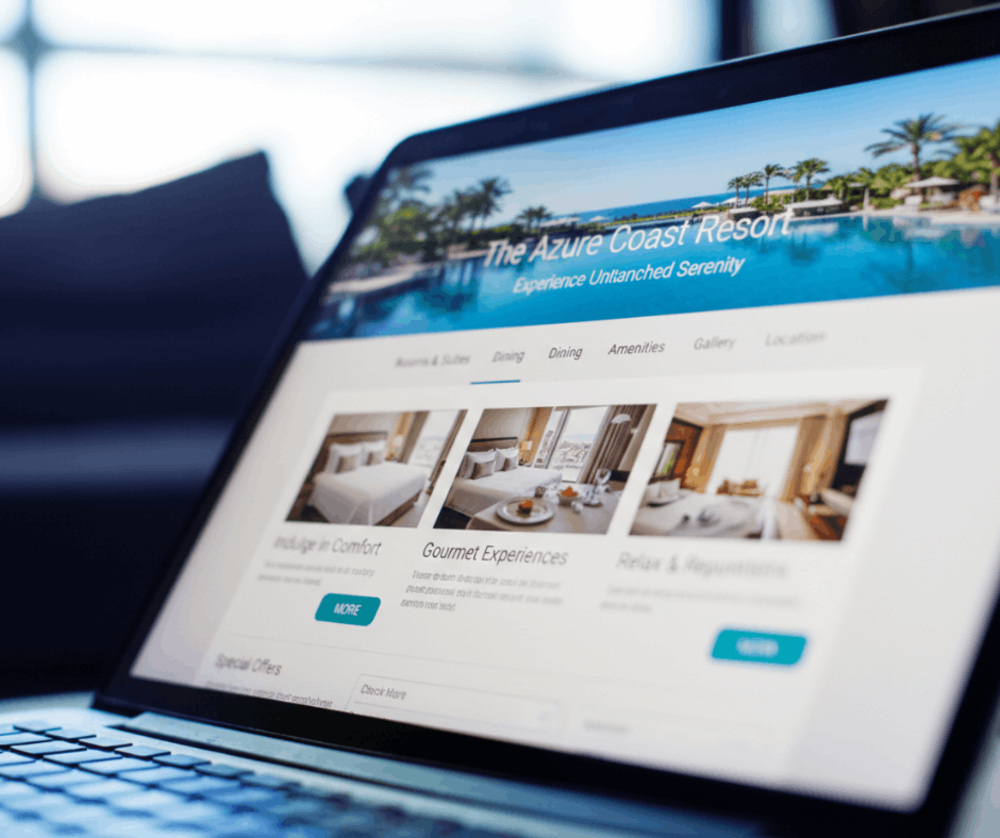
Have you ever landed on a hotel website, excited to plan your dream trip, only to leave frustrated by confusing rates or unclear booking steps? In an age where hospitality guests expect instant answers and hassle-free experiences, the design of a hotel’s website can become the deciding factor in winning a direct booking or losing potential revenue to online travel agents. Trends in hotel website design change rapidly, and with 2026 approaching, hotels, motels, and resorts need to continually adapt to meet guest expectations, outpace competitors, and increase direct bookings.
At Top4 Technology, we have seen firsthand how the latest web design innovations help travellers feel confident about booking directly. As experts in hotel digital marketing strategies and as an authorised SiteMinder partner, we stay at the forefront of industry shifts, helping accommodation providers across Sydney, Melbourne, Brisbane, and throughout APAC grow their online presence and maximise profits. Understanding 2026’s hotel website design trends allows hoteliers to create not just beautiful sites, but powerful booking engines that answer travellers’ real questions, address doubts, and encourage conversions.
Let’s take a closer look at the top website design trends that will shape how hotels connect with travellers in 2026 , and why focusing on user experience can deliver results including more bookings, greater guest satisfaction, and measurable growth for your business.
Booking paths and visible progress keep guests engaged
The journey from browsing to booking should never be confusing. In 2026, hotel website design trends will emphasise a prominent, always-visible booking path. No matter where a visitor scrolls, clear calls to action and booking engines stay accessible, encouraging direct engagement without interrupting the search for information.
A floating booking widget or sticky “Book Now” bar guides users as they explore rates, room types, and amenities. This persistent booking path reduces drop-offs by keeping the goal front and centre. For multi-property brands and franchises, a streamlined interface ensures guests can compare and reserve across locations with just a few clicks.
Making the booking funnel obvious and effortless fosters trust and motivates more users to make direct reservations. Combining this approach with smart hotel website development services delivers a seamless guest experience and higher conversion rates. Learn how our web design and development services elevate booking journeys for hotels in APAC.
Rate clarity and fee transparency encourage direct reservations
Hidden costs or sudden taxes can instantly frustrate potential guests. As we head to 2026, transparent hotel rates and fees are becoming a baseline expectation. Successful hotel websites now surface total costs, including taxes, resort fees, and optional extras, right from the start of the booking journey.
This upfront transparency not only reduces booking abandonment but also builds long-term credibility. Fringe fees or compulsory charges should never surprise the guest after they have committed to a reservation. Instead, present room rates, inclusions, and possible add-ons in clear, easy-to-read tables or pop-outs.
This strategy aligns with guests’ growing demand for honesty and straightforward communication, especially among millennial and Gen Z travellers. When potential guests know exactly what they will pay, they are more likely to book directly rather than search for alternatives through third-party channels. Harness these trends in your own platform with best-in-class hotel website design and our extensive experience serving local Australian hotels.
Room pages answering real traveller questions
Room pages can do so much more than list bed sizes and amenities. The latest hotel room page content ideas focus on anticipating and addressing the questions guests actually have. Think real-world details like how strong the Wi-Fi is, whether workspaces are provided, accessibility features, or the view from the window.
Visuals must support this information, with high-resolution photos, 360-degree tours, and video walkthroughs. Integrating user-generated photos and authentic guest reviews can add context and trust. It is also important to address common pain points such as early check-in, late check-out, and parking options right where potential guests need them.
Frequently asked questions, dynamic FAQ accordions, and comparison tools simplify the research process and show potential guests you genuinely care about their concerns. An optimised hotel website now serves as an extension of your front desk, providing clear answers that influence the booking outcome. This customer-centric approach is what sets leading hotel web design companies apart.
Personalisation transforms the guest experience
Modern travellers value personal connections and tailored recommendations. Innovations in personalised hotel website features allow accommodation providers to show the right offers or content based on user behaviour, preferences, or even their geographic location.
AI-driven suggestions for add-ons, special packages, or local experiences can increase both upsell opportunities and guest satisfaction. First-time visitors might see special welcome rates, while returning guests receive loyalty perks or messages tailored to their previous stays.
This level of individual attention mimics the in-person concierge experience, making digital interactions feel warmer and more relevant. Personalisation should never feel intrusive or manipulative, but rather as thoughtful assistance in selecting the perfect room or service. These advances require technical know-how and careful data management to build trust and drive bookings.
Content that inspires and supports booking decisions
No two guests are the same, and every booking decision is unique. Compelling, informative content lies at the heart of successful hotel website design trends for 2026. Beyond glossy images, travellers want insights into your locale, local guides, events calendars, weather tips, and curated itineraries all enhance the research process.
Storytelling techniques, guest testimonials, and expert-written blog articles strengthen your brand’s authority and position your hotel as a trusted resource. Interactive maps, local cuisine highlights, and neighbourhood recommendations enable guests to picture their entire travel experience before pressing book.
Having content that nurtures every step of the decision-making journey, from dream to departure, positions your property as a first choice rather than just another option. This strategy not only increases direct hotel bookings but also leads to happier, more informed guests. Our team delivers this vision by providing hotel digital marketing strategies tailored to your unique offerings.
Conclusion and taking the next step with hotel website design
The competitive landscape for hotels, motels, and resorts is evolving, but one truth remains: a website should be your best salesperson, not just a digital brochure. Embracing the latest hotel website design trends in 2026 means prioritising clarity, transparency, personalisation, and genuine support for your guests long before they check in. A strategic approach to booking paths, rate presentation, content, and user experience gives travellers every reason to book direct and return for future stays.
As an authoritative SiteMinder partner with proven expertise throughout APAC, Top4 Technology understands how the right combination of web design and hotel management solutions can increase direct bookings by up to 40 percent. We integrate hotel booking path design, transparent rates, powerful content, and modern personalisation into tailor-made sites that drive results from day one.
If you are an accommodation provider looking to refresh your site, grow your visibility, and improve guest satisfaction, explore our hotel website development services. The future of hospitality is digital, and our team is ready to help you succeed with expert web development and marketing strategies designed for Australian businesses. Reach out today and transform the way you connect with your guests online.
FREQUENTLY ASKED QUESTIONS

Michael Doyle
Michael is a digital marketing powerhouse and the brain behind Top4 Marketing and top4.online. His know-how and over 23 years of experience make him a go-to resource for anyone looking to crush it in the digital space. To get the inside scoop on the latest and greatest in digital marketing, be sure to read his blog posts and follow him on LinkedIn.